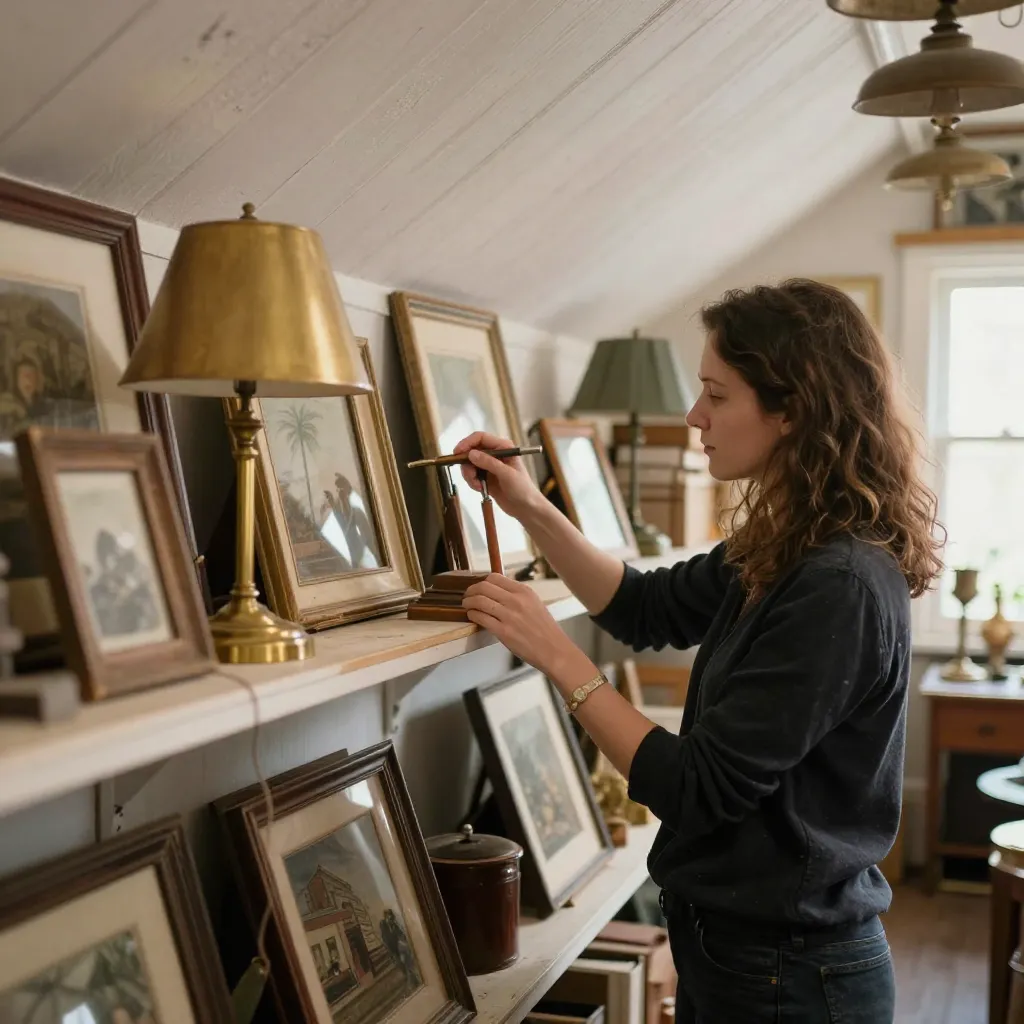
Provenance
Understanding design periods and style archetypes in vintage furniture
Art Deco Era (1920s-1930s)
Design Characteristics
Geometric patterns, stepped forms, and luxurious materials define Art Deco. Common elements include chrome, glass, and exotic woods.
Materials & Finishes
Lacquer, polished metals, and inlaid wood create the distinctive Art Deco aesthetic. Mirrored surfaces and bold contrasts are typical.
Historical Context
Emerging after World War I, Art Deco reflected optimism and technological progress. The style influenced architecture, furniture, and decorative arts globally.
Mid-Century Modern (1940s-1970s)
Design Philosophy
Form follows function with clean lines, organic curves, and minimal ornamentation. Scandinavian and American designers shaped this movement.
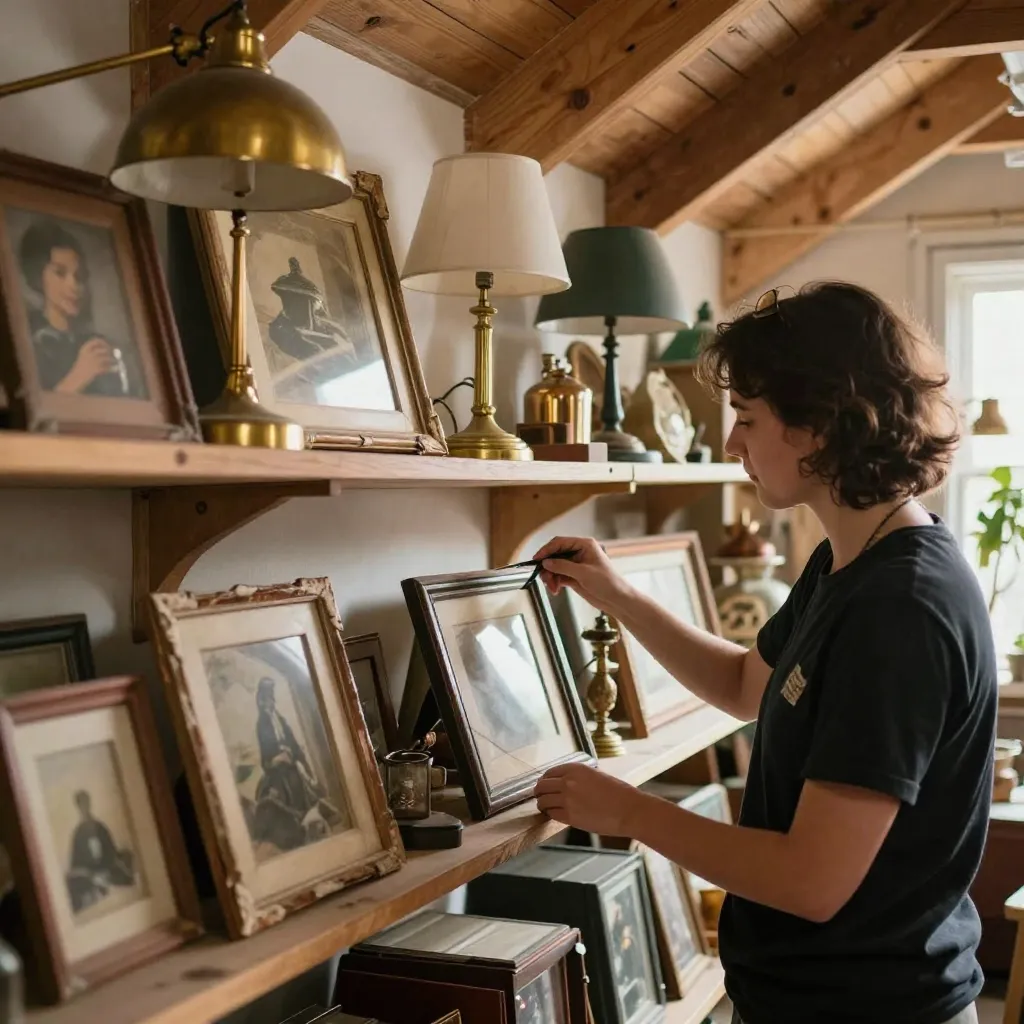
Material Preferences
Teak, walnut, and rosewood were favored for case goods. Fiberglass, plastic, and metal appeared in innovative seating designs.

Iconic Pieces
Designers like Eames, Wegner, and Jacobsen created pieces that remain influential. Authentic examples are highly sought after.
Brutalist Elements (1950s-1970s)
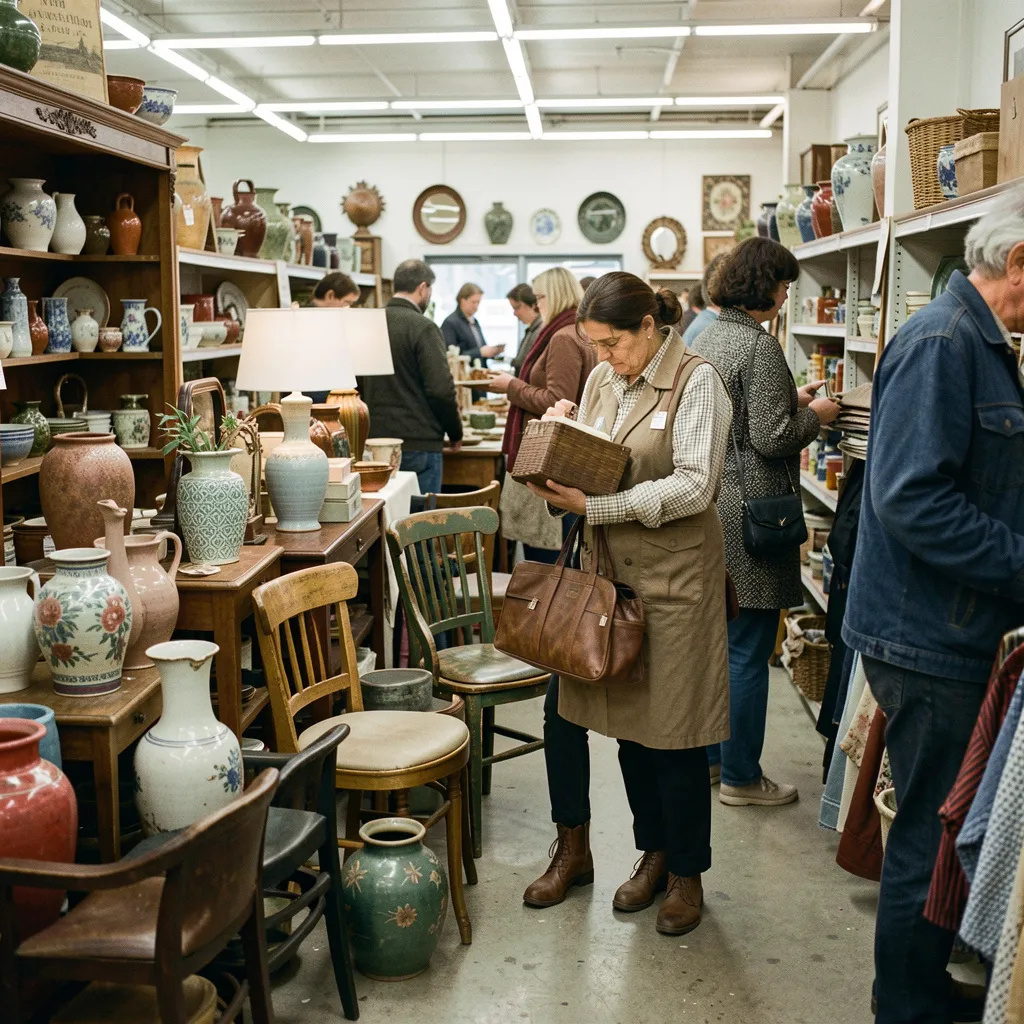
Raw Aesthetics
Brutalist furniture emphasizes raw materials, bold forms, and structural honesty. Concrete, steel, and rough-hewn wood are characteristic.
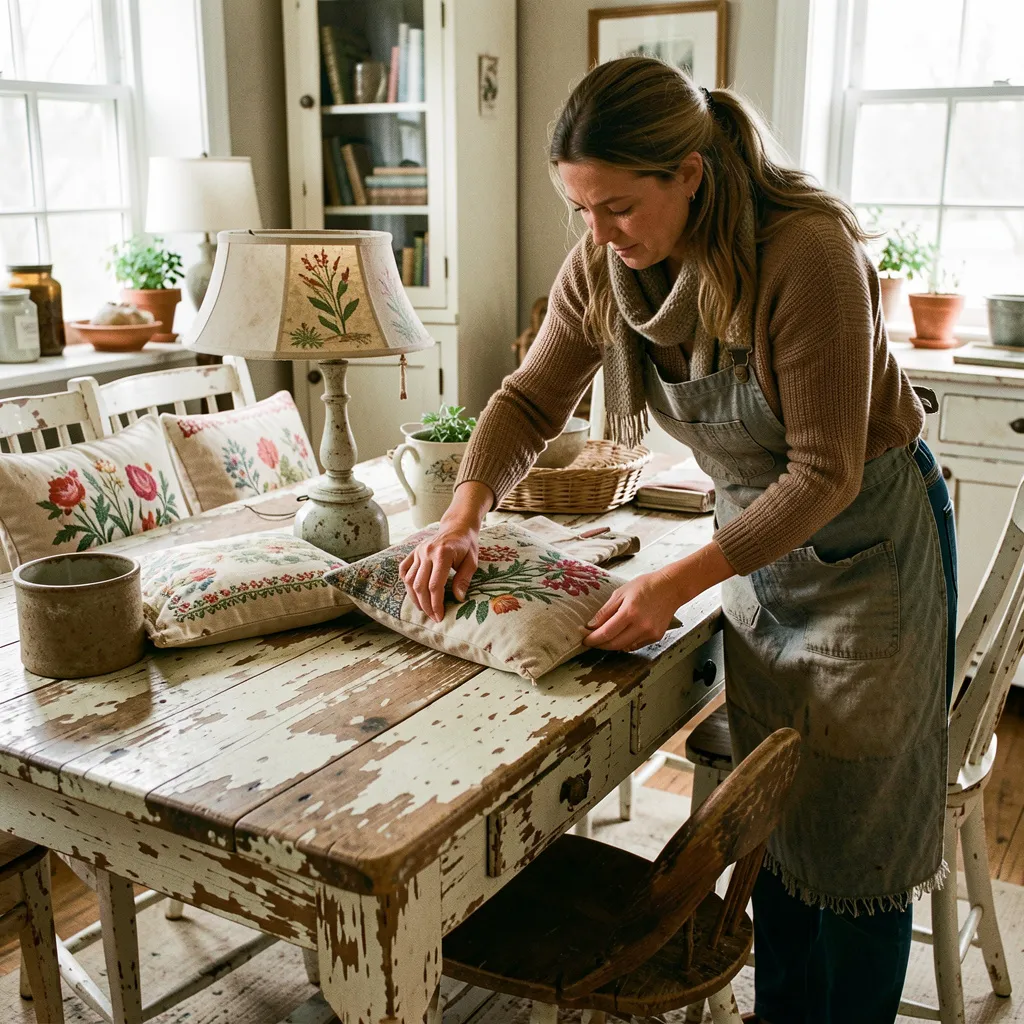
Architectural Influence
This style bridges architecture and furniture design. Pieces often feel like architectural elements adapted for interior use.
Contemporary Relevance
Brutalist furniture has experienced renewed interest as collectors appreciate its bold, uncompromising aesthetic and historical significance.
Identifying Design Periods
Construction Methods
Joinery techniques, hardware styles, and manufacturing methods provide clues to period authenticity. Hand-crafted details differ from later production methods.
Material Analysis
Wood species, finish types, and material combinations reflect period preferences. Patina and wear patterns also indicate age.
Design Language
Proportions, curves, and decorative elements follow period-specific design languages. Comparing to documented examples helps verify authenticity.
Documentation
Labels, stamps, and original documentation provide the most reliable period identification. We examine these details during our evaluation process.